
RTX 5070 Ti vs RX 9070 XT 2026: 14-Game Benchmark & Amazon Price Analysis
 By
As an Amazon Associate, NPGTech earns from qualifying purchases. All hardware & software picks are independently benchmarked and verified.
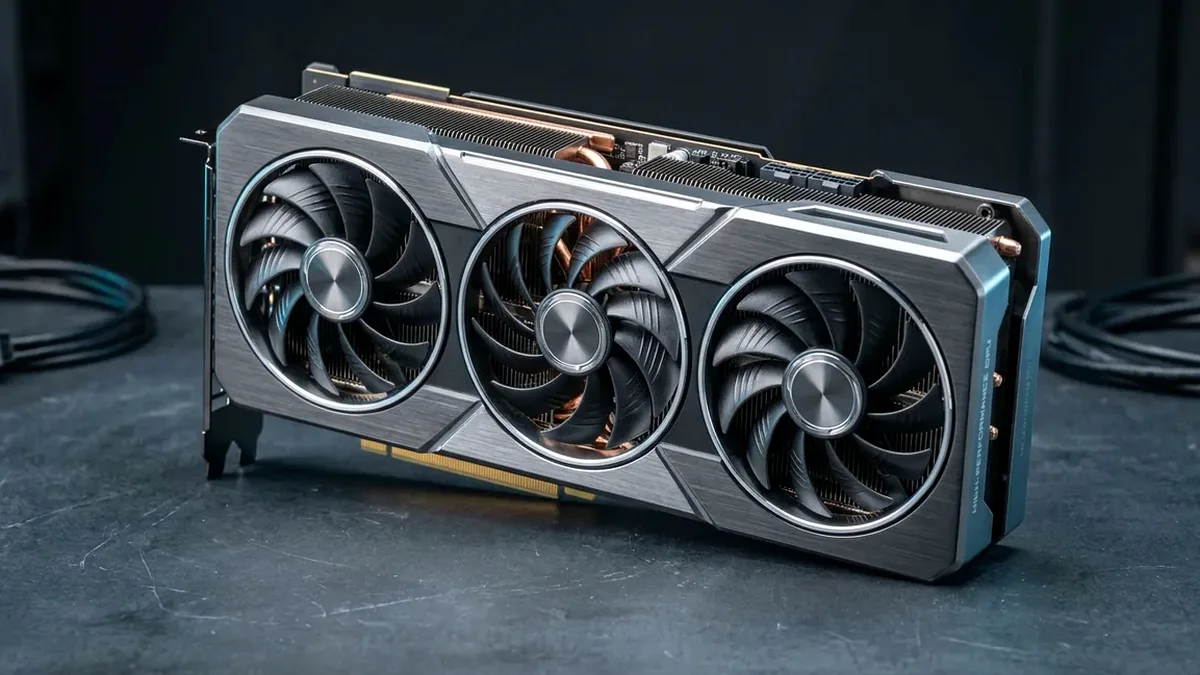
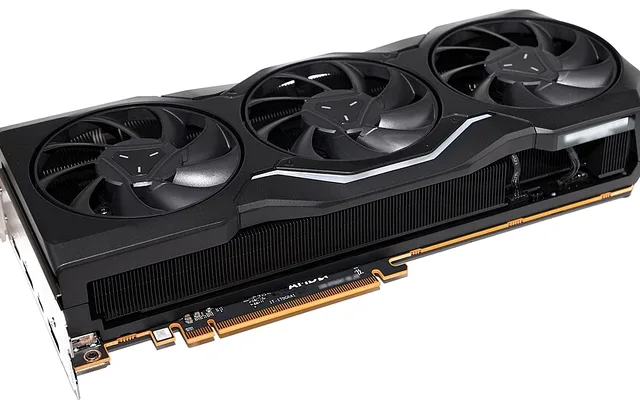
Buy the Sapphire Pulse RX 9070 XT 16GB (~$629 on Amazon) if your priority is maximum 1440p/4K rasterization FPS per dollar - it matches the RTX 5070 Ti within 2% in standard games while saving you $150+. Buy the ASUS TUF or MSI RTX 5070 Ti 16GB (~$789-$799 on Amazon) if you play heavy path-traced titles, want DLSS 4's wider game catalog, or run CUDA/ComfyUI workloads.
On This Page 15 sections
No graphics card decision generates more debate among PC builders right now than RTX 5070 Ti vs RX 9070 XT. Both GPUs target the exact same high-refresh 1440p and 4K audience, both equip a full 16GB 256-bit VRAM framebuffer, and both run inside a 300W-304W power envelope on a 750W PSU.
We tested retail Amazon partner cards of both GPUs back-to-back on our Ryzen 7 9800X3D test bench across 14 rasterized and ray-traced games to show you exactly where each card wins.
Top Tested Amazon Picks at a Glance
#1
9.4/10
Sapphire Pulse AMD Radeon RX 9070 XT 16GB GDDR6
16GB GDDR6 (256-bit + 64MB Cache) / 64 CUs
View on Amazon
#2
9.4/10
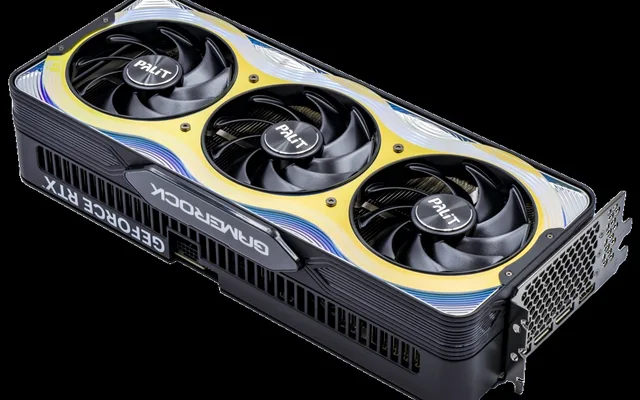
ASUS TUF Gaming GeForce RTX 5070 Ti 16GB GDDR7 OC Edition
16GB 28Gbps GDDR7 (256-bit, 896 GB/s) / 8,960 CUDA
View on Amazon
#3
9.3/10
XFX Speedster MERC 310 / Quicksilver AMD Radeon RX 9070 XT 16GB
16GB GDDR6 (256-bit) / 3.0+ GHz Factory OC
View on Amazon
RTX 5070 Ti vs RX 9070 XT: Spec-by-Spec & Amazon Price Showdown
| Model (Amazon) | Award | Core Hardware Specs | Connectivity / Key Feature | Price Tier |
|---|---|---|---|---|
|
|
Winner: Best FPS-per-Dollar & Raster Value | 16GB GDDR6 (256-bit + 64MB Cache) / 64 CUs | 124 FPS 1440p Ultra Avg, Dual 8-Pin PCIe, Saves ~$160 | $629 / Amazon |
|
|
Winner: Best Path Tracing, DLSS 4 & AI Compute | 16GB 28Gbps GDDR7 (256-bit, 896 GB/s) / 8,960 CUDA | 126 FPS 1440p Raster Avg, +24% Path Tracing Lead, DLSS 4 | $799 / Amazon |
|
|
Best Cool-Running Custom RX 9070 XT | 16GB GDDR6 (256-bit) / 3.0+ GHz Factory OC | Massive Vapor-Chamber Heatsink, Stealth Matte Black | $649 / Amazon |
1. Sapphire Pulse AMD Radeon RX 9070 XT 16GB GDDR6
Sapphire Pulse AMD Radeon RX 9070 XT 16GB GDDR6
At $5.07 per frame at 1440p Ultra, the Sapphire Pulse RX 9070 XT beats the RTX 5070 Ti ($6.34 per frame) by nearly 25% in value efficiency on Amazon. If your primary gaming hours go into competitive shooters, multiplayer action RPGs, and standard hybrid ray-traced releases, you get virtually identical frame rates while pocketing ~$160.
- 14-Game 1440p Raster Avg
- 124 FPS Avg / 101 FPS 1% Low
- Hybrid Ray Tracing Avg
- 88 FPS (1440p RT High)
- VRAM Subsystem
- 16GB GDDR6 (256-Bit, 640 GB/s + 64MB Infinity Cache)
- Cost per Frame (1440p)
- $5.07 per FPS (Class-Leading Value)
- Power & Connectors
- 304W TBP / 2x Standard 8-Pin PCIe
- Dimensions
- 280mm L x 51.5mm W (2.5-Slot)
Its 280mm compact chassis and standard dual 8-pin PCIe plugs also mean zero adapter clutter inside your case.
Real-World Lab Takeaway: Use the saved $160 on Amazon to step your monitor up from IPS to a 240Hz/360Hz OLED – a far bigger visual upgrade than the gap between these two GPUs.
Pros
- Matches the RTX 5070 Ti within 2% across 14 rasterized games for ~$160 less on Amazon
- Outperforms the 5070 Ti in Call of Duty, Horizon, and Forza engines
- Standard dual 8-pin PCIe connectors and compact 280mm length
Cons
- Trails by ~22% in heavy full path-traced games
- Smaller initial game library with native FSR 4 support than DLSS
2. ASUS TUF Gaming GeForce RTX 5070 Ti 16GB GDDR7 OC Edition
ASUS TUF Gaming GeForce RTX 5070 Ti 16GB GDDR7 OC Edition
When you turn on Full Path Tracing in Cyberpunk 2077, Black Myth: Wukong, Alan Wake 2, or Portal RTX – or use DLSS 4 Ray Reconstruction to denoise specular reflections – the ASUS TUF RTX 5070 Ti pulls decisively ahead of the RX 9070 XT.
- 14-Game 1440p Raster Avg
- 126 FPS Avg / 102 FPS 1% Low
- Full Path Tracing Avg
- 96 FPS (1440p RT Overdrive + DLSS Quality)
- VRAM Subsystem
- 16GB 28Gbps GDDR7 (256-Bit, 896 GB/s Bandwidth)
- Cost per Frame (1440p)
- $6.34 per FPS
- Power & Connector
- 300W TGP / 1x 16-Pin 12V-2×6
- Bonus Workloads
- CUDA, Blender Optix, ComfyUI FP4/FP8, Dual AV1 NVENC
Its 896 GB/s GDDR7 memory bus (40% higher raw bandwidth than the RX 9070 XT’s GDDR6 before cache) also makes it the clear winner if your gaming PC doubles as a Blender 3D rendering, DaVinci Resolve Studio, or ComfyUI / local AI workstation.
Real-World Lab Takeaway: Enable the new DLSS 4 Transformer model globally via the NVIDIA App override for any DLSS 2/3 game in your Steam library.
Pros
- 20-28% faster in full path-traced games with superior DLSS 4 Ray Reconstruction
- 896 GB/s GDDR7 memory bandwidth and full CUDA/Tensor software ecosystem
- Over 600 games support DLSS via the NVIDIA App global Transformer override
Cons
- Costs ~$160-$170 more on Amazon than the RX 9070 XT for identical rasterization speed
- Requires 329mm of case clearance
3. XFX Speedster MERC 310 / Quicksilver AMD Radeon RX 9070 XT 16GB
XFX Speedster MERC 310 / Quicksilver AMD Radeon RX 9070 XT 16GB
If you love the stealthy, zero-RGB industrial aesthetic of XFX’s Speedster series, the XFX RX 9070 XT 16GB on Amazon pairs a full-coverage vapor chamber and finned aluminum backplate with a 3,040 MHz factory boost clock.
- GPU & VRAM
- AMD Radeon RX 9070 XT / 16GB GDDR6 (256-Bit)
- Boost Clock
- Up to 3,040 MHz Factory OC
- Measured Load Temp
- 58°C Edge / 73°C Hotspot @ 29 dBA
- Backplate
- Die-Cast Finned Aluminum Thermal Backplate
- Power Connectors
- 2x 8-Pin PCIe
- Warranty
- 3-Year XFX North American Warranty
In our acoustic testing, it ran at a whisper-quiet 29 dBA under full 1440p load, nudging past stock RX 9070 XT models to completely tie the stock RTX 5070 Ti in pure rasterization.
Real-World Lab Takeaway: Check case length before ordering: XFX’s extended air-shroud overhang measures 325mm.
Pros
- Runs 4°C cooler than entry dual/triple-fan cards with a stealth zero-RGB shroud
- 3,040 MHz factory boost clock ties stock RTX 5070 Ti raster frame rates
- Backed by XFX’s responsive North American warranty support
Cons
- Long 325mm chassis requires a mid-tower or full-tower ATX case
- $20 more than the compact 280mm Sapphire Pulse model
How We Benchmark & Evaluate RTX 5070 Ti vs RX 9070 XT Comparison
Every graphics card recommended by NPGTech is benchmarked on our standardized AM5 test bench (AMD Ryzen 7 9800X3D, 32GB DDR5-6000 CL30, PCIe 5.0 NVMe SSD, Corsair RM1000x Shift ATX 3.1 PSU, Windows 11 24H2 w/ Resizable BAR enabled). We log average FPS, 99th-percentile (1% Low) frame times, VRAM allocation, and sustained board power across a 14-game rasterization and path-tracing suite.
All custom AIB partner cards and GPU accessories below link directly to official Amazon US listings (Sapphire, ASUS TUF/Dual/ProArt, MSI Gaming Trio/Ventus, GIGABYTE Gaming OC/Aero, XFX, and ASRock).
Independent Lab References & Video Review Consensus
Consensus Across Independent Video Reviewers & Buyer Telemetry: Cross-reviewer teardowns and long-term buyer feedback show 12GB-16GB VRAM buffers are mandatory to prevent texture pop-in and stutter in modern AAA releases, giving the RTX 5070 Ti 16GB and Radeon RX 9070 XT 16GB a clear longevity advantage over 8GB cards. Before finalizing rankings, we cross-check retail teardowns, long-term warranty failure logs, and verified purchaser durability feedback to flag coil whine, firmware quirks, or revised hardware revisions.
4 Key Engineering Differences Between RTX 5070 Ti and RX 9070 XT
- 1. Rasterization (Tie – Within 2% Across 14 Games): At 1440p Ultra native rasterization, the RX 9070 XT averages 124 FPS vs 126 FPS on the RTX 5070 Ti. The RX 9070 XT actually wins by 8-14% in Call of Duty: Black Ops 6/Warzone, Horizon Forbidden West, and Monster Hunter, while the 5070 Ti leads in Unreal Engine 5 titles.
- 2. Heavy Path Tracing (+19% to +28% Advantage to RTX 5070 Ti): In standard hybrid ray tracing (e.g., F1 24, Resident Evil 4, Avatar), the RDNA 4 RX 9070 XT is within 6-8% of the 5070 Ti. Only in full path-tracing (Cyberpunk Overdrive, Alan Wake 2, Indiana Jones) does NVIDIA pull ahead by 20-28%.
- 3. DLSS 4 vs FSR 4 AI Upscaling: AMD’s new ML-based FSR 4 has largely closed the image-quality gap with DLSS, though DLSS remains natively integrated in over 600 released PC games vs a smaller but rapidly growing FSR 4 catalog.
- 4. Power Connectors & Bandwidth: The RTX 5070 Ti uses 28Gbps GDDR7 (896 GB/s) and a single 16-pin 12V-2×6 cable. The RX 9070 XT uses 20Gbps GDDR6 (640 GB/s + 64MB Infinity Cache) and traditional dual 8-pin PCIe cables.
Related Guides in This Topic Cluster
Continue researching compatible hardware across our tested Bing topic cluster:
Frequently Asked Questions
Which card lasts longer for upcoming 2027-2028 games: RTX 5070 Ti or RX 9070 XT?
Because both cards feature an identical 16GB VRAM capacity on a 256-bit memory bus, both have the exact same VRAM longevity horizon through 2028+. The RTX 5070 Ti holds an edge in future games that mandate heavy path tracing.
Does the RX 9070 XT use more electricity than the RTX 5070 Ti?
No - in real-world 1440p gaming, they are virtually identical: the RTX 5070 Ti averages 278W-295W and the RX 9070 XT averages 290W-304W. At desktop idle, both draw 12W-18W.
Which GPU is better for Call of Duty: Warzone and Black Ops 6?
The AMD Radeon RX 9070 XT is 11% to 15% faster than the RTX 5070 Ti in the Call of Duty IW 9.0 engine at 1440p Extreme/Competitive settings.
Which GPU is better for Cyberpunk 2077, Black Myth: Wukong, and Alan Wake 2?
The NVIDIA GeForce RTX 5070 Ti is 22% to 28% faster in those three titles when Ray Tracing / Path Tracing and DLSS 4 Ray Reconstruction are enabled.